
Activitiz city guides
What to eat in Marrakech
What does a bathhouse have to do with your lunch? In the Marrakech medina, the person who kept the bathwater hot could also tuck a jar of meat into the furnace ashes. A few steps from Jemaa el-Fna, another kind of cooking takes place underfoot. At Souk Ablouh, whole lambs roast in ovens sunk into the ground. These are two ways to taste Marrakech, with zaalouk to start and honey-soaked chebakia to finish.
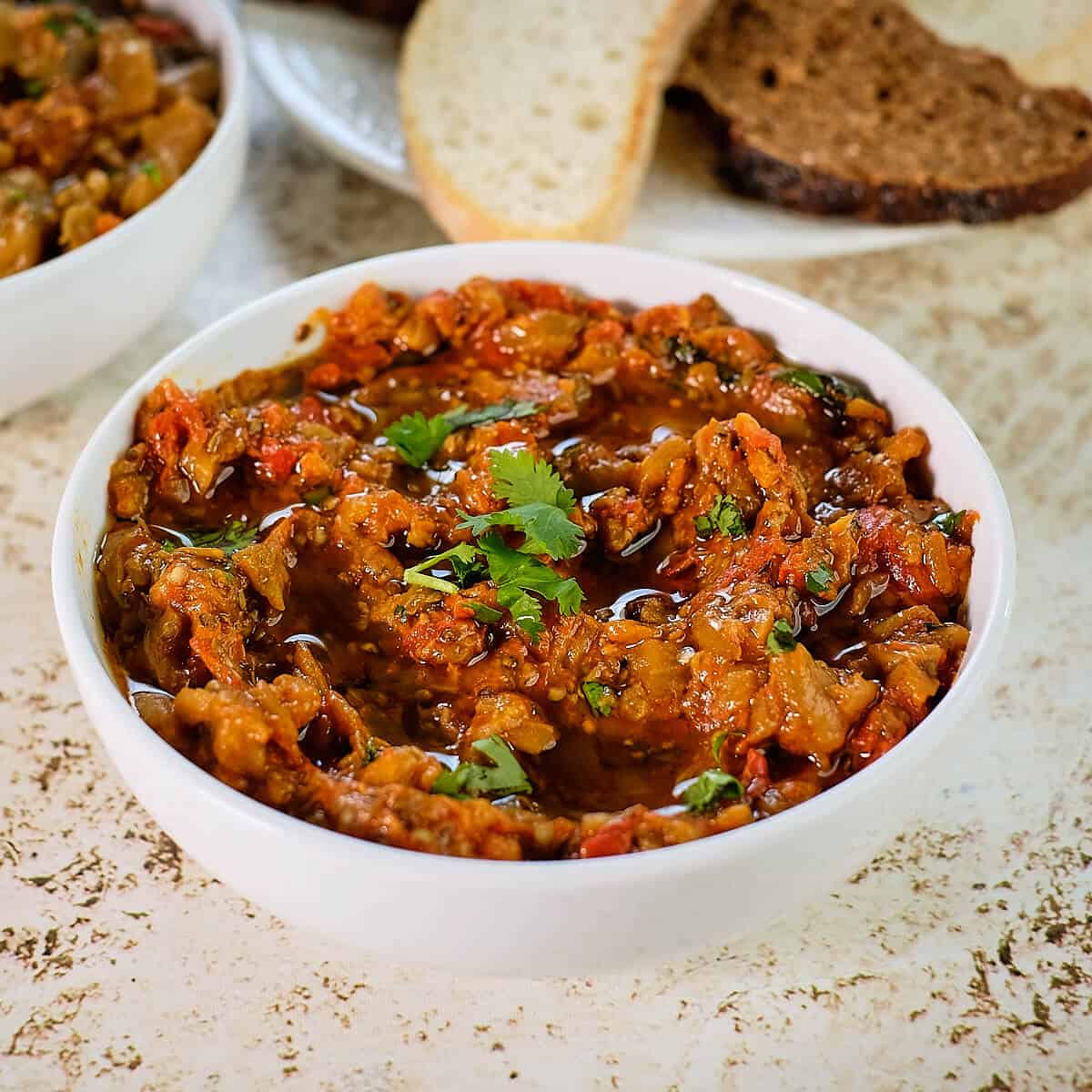
To start, aubergine zaalouk
Zaalouk often comes on a small plate. Aubergine and tomato cook with garlic, cumin and paprika until the flesh is soft enough to mash with a fork. Tear off a piece of bread to scoop up both the tender aubergine and the thickened tomato juices.
If it tastes smoky, ask how the aubergine was cooked. Some cooks roast it before adding it to the tomatoes, while others simmer it. Two plates of zaalouk can start with the same spices and taste quite different.
For the main, tanjia from the bathhouse furnace
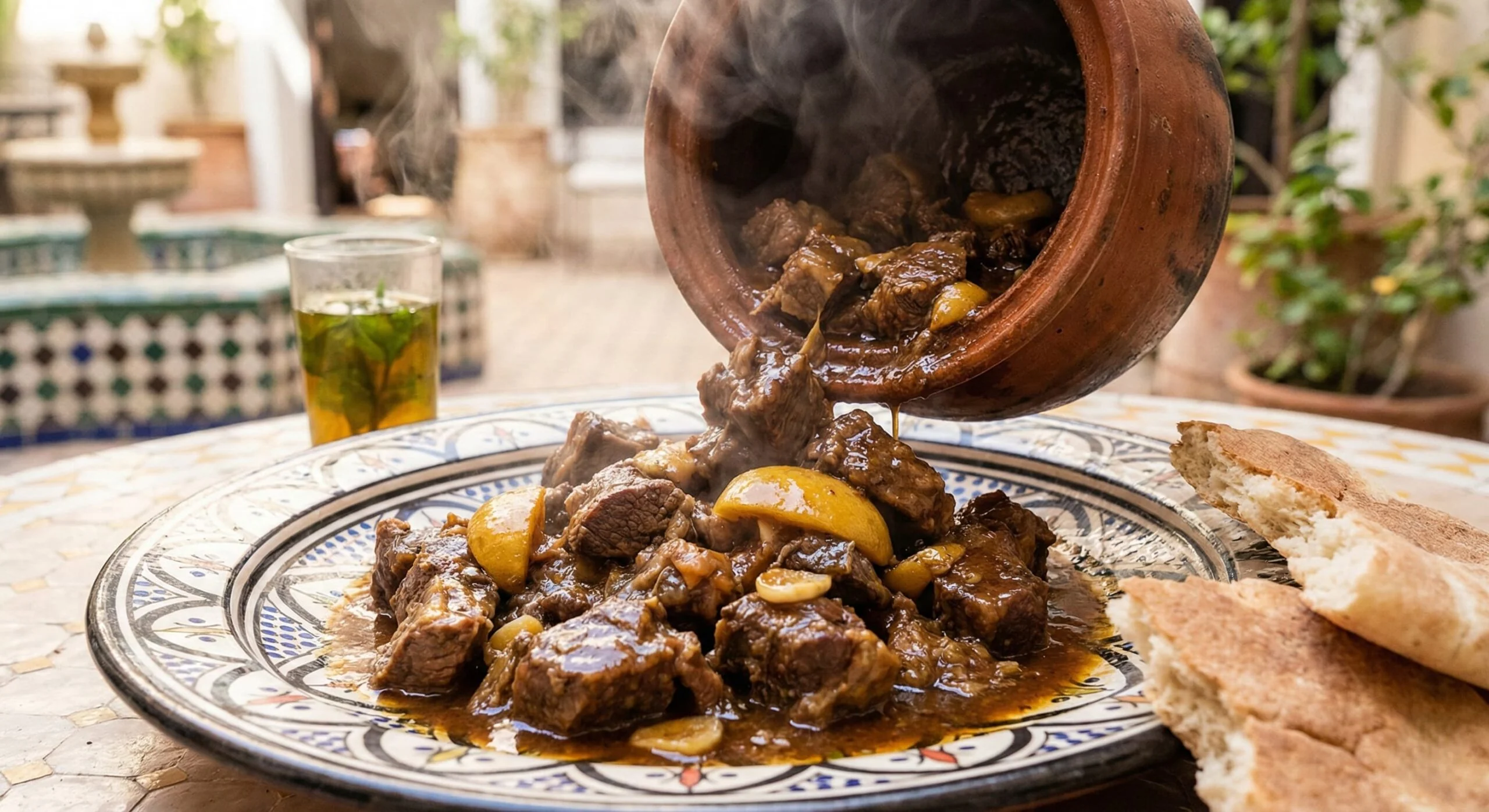
Tanjia, also spelt tangia, is the name of both the clay jar and the dish cooked inside it. Beef shank suits a long, slow cook. Garlic, cumin and preserved lemon flavour the meat juices. Depending on the recipe, you might also find saffron or smen, a strongly flavoured preserved butter.
The fernatchi who tends the hammam furnace nestles the sealed jar partway into the hot ashes. The fire heats the bathwater, and the ashes keep the meat simmering for hours. That gives tanjia its nickname, “daughter of the ashes”.
If the tender meat and preserved lemon sound good, ask which cut went into the jar and whether there is tanjia ready to serve. It takes too long to start cooking when you order lunch.
Or try mechoui at Souk Ablouh
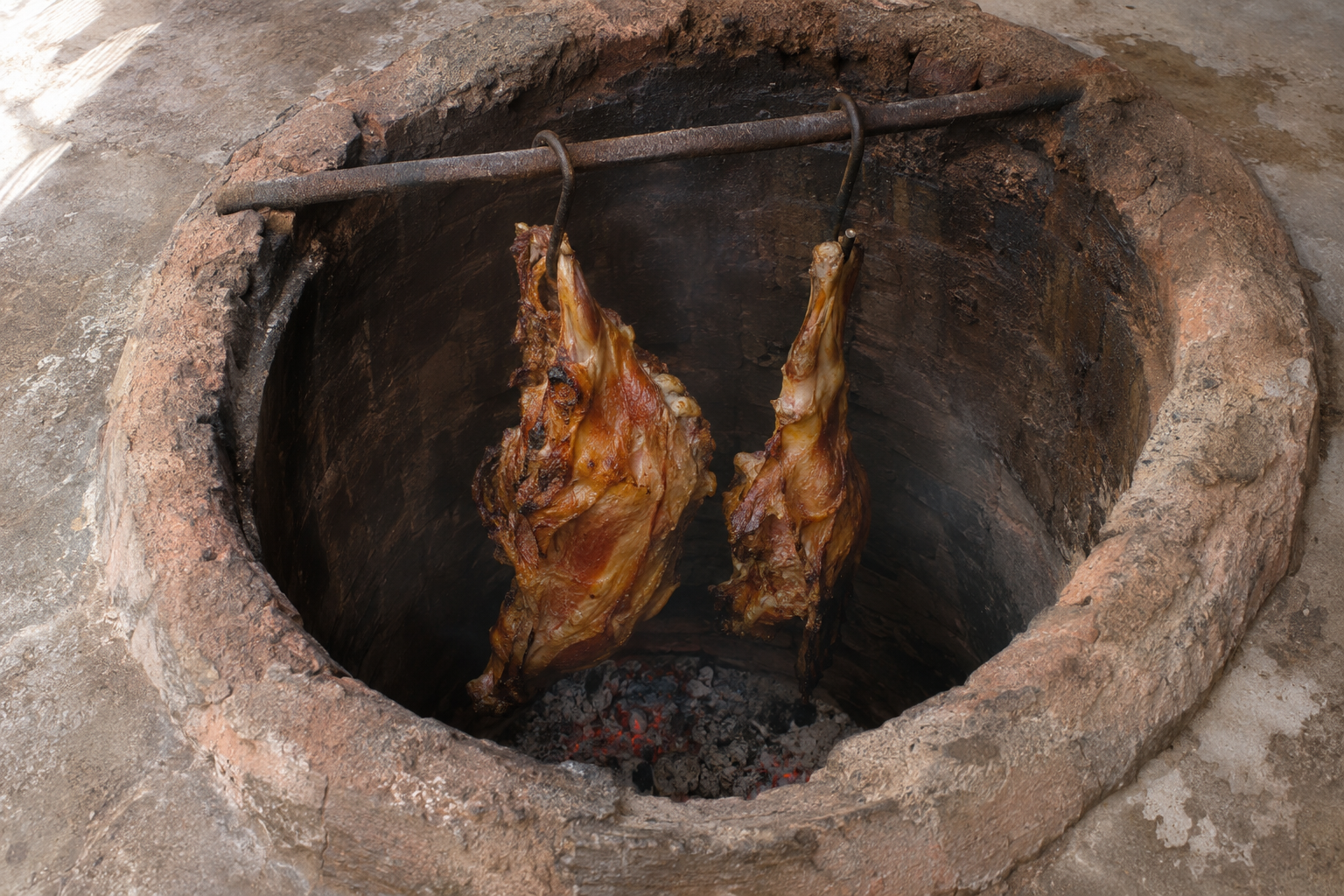
Look for the mechoui stalls near the olive market in Souk Ablouh. A whole lamb is lowered upright into a wood-heated oven. One account describes a lid sealed around its edges with clay to keep the heat in for hours.
Go for tanjia if you’re drawn to the preserved-lemon juices, or for mechoui if you want the flavour of roast lamb. The meat pulls away from the bone and comes with bread, salt and cumin. At stalls selling it by weight, check the price per kilo and say how much you would like before it is carved.
To finish, honey and sesame chebakia
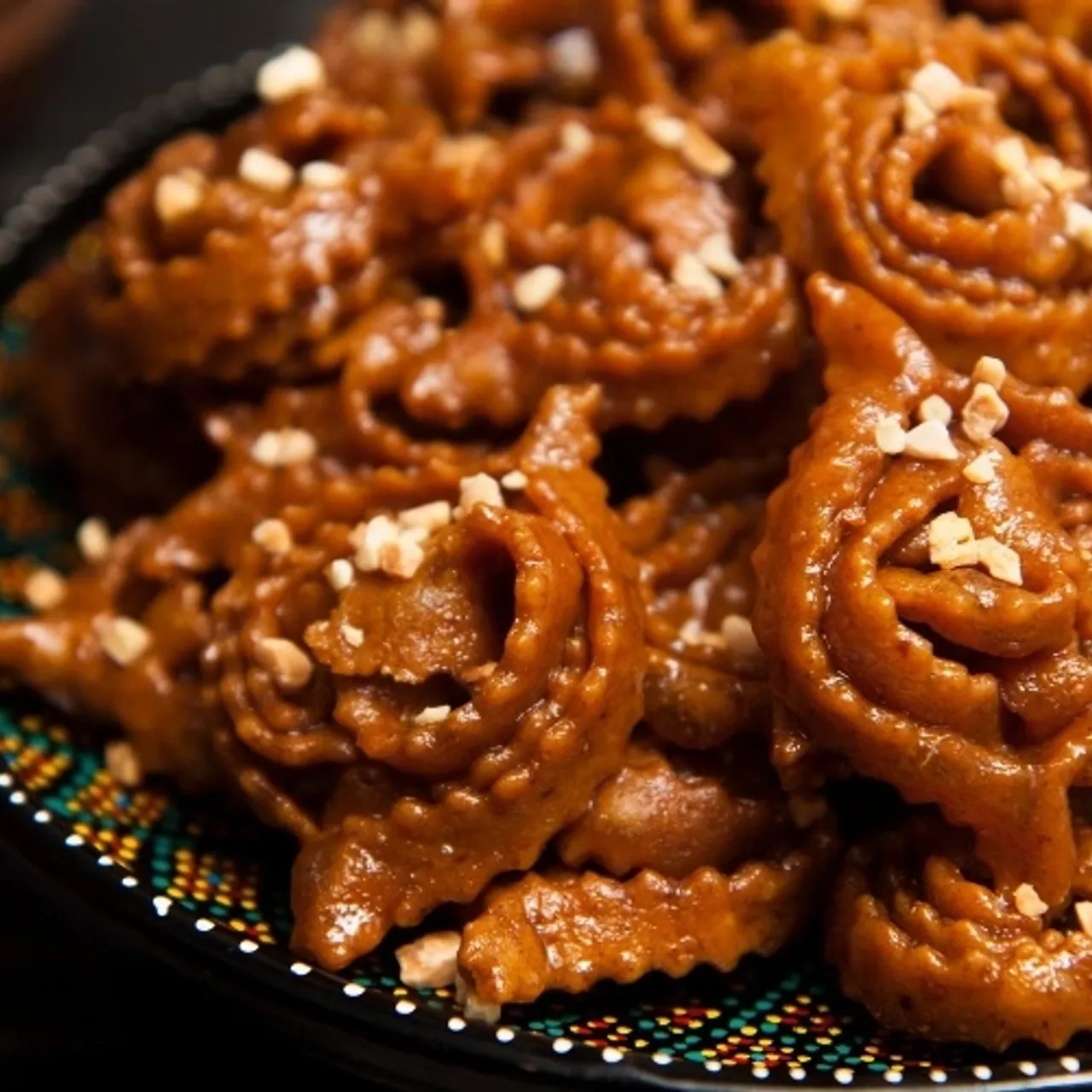
To make the flower, the cook cuts slits into a piece of dough and threads the strips through each other. Once fried, the pastry is dipped in honey. The folds soak it up while the edges keep a little crunch. Sesame flavours the dough and is sprinkled over the finished pastry.
In Morocco, chebakia is best known for its place at the Ramadan meal that breaks the fast, often alongside harira soup. Try it on its own and see if you can pick out the honey, sesame and, in some versions, orange blossom.
What made you want a bite?
Smoky zaalouk, preserved-lemon tanjia, mechoui with cumin, or chebakia with honey and sesame? On your next walk through the Marrakech medina, make time to try one. See if you can pick out the detail that made you hungry in the first bite.
If you’d like to try making something yourself, our unusual activities guide has questions to ask before choosing a cooking class.
Continue exploring
The Sultan’s Quest in the medina
Solve puzzles from Koutoubia to the Saadian Tombs, through the souks and landmarks of the medina. Allow 2 to 3 hours for the game. Monument tickets are paid separately.
Discover the Sultan’s Quest